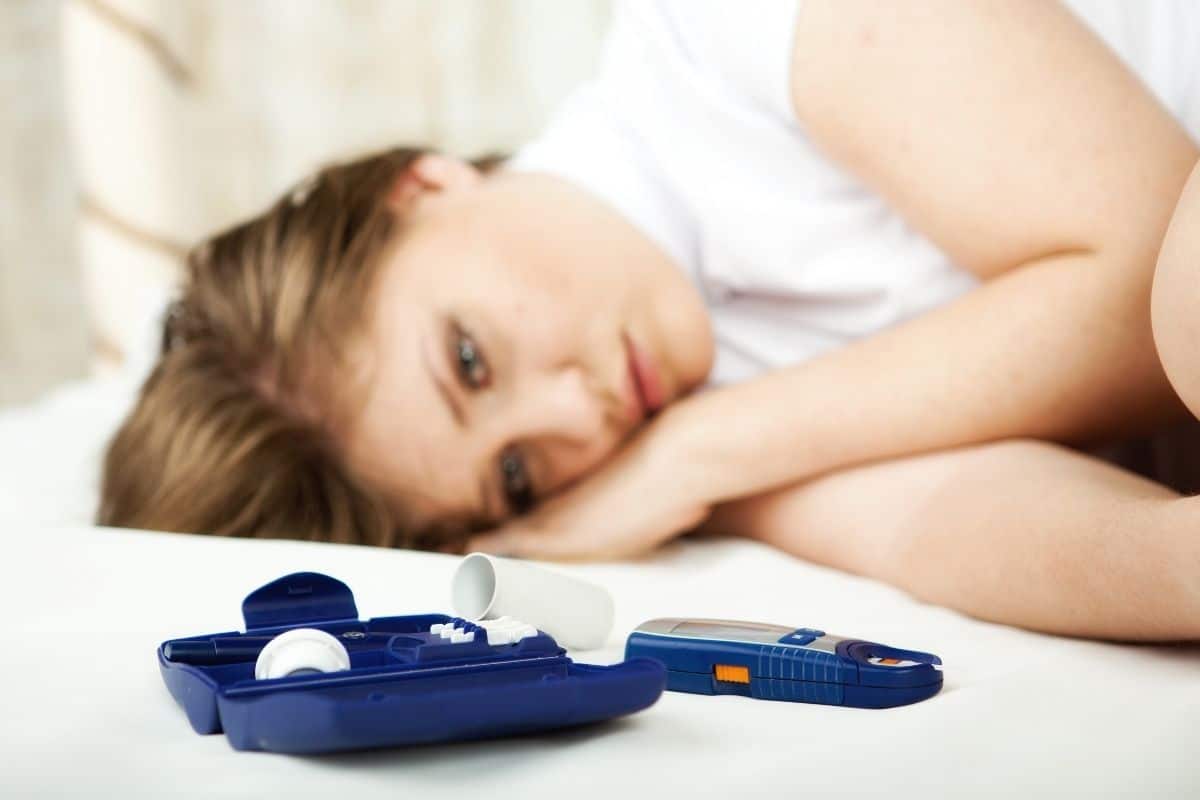

For many people living with diabetes, checking glucose can bring feelings of fear, frustration or even disappointment. Sometimes, the hardest part isn’t checking the number -it’s seeing the number. You may think, “I know my body. I don’t need to check”, or “My doctor checks my A1c every 3 months, so why do I need to check every day?” Others may avoid checking because they feel like their number is always the same or they aren’t sure what the number actually means.
But your numbers are not a grade, and they are not a judgement of how well you are doing. A blood glucose number is information- not a report card. One number does not define you or your diabetes. Instead, it can help you understand what is happening in your body right now and help you make informed decisions about food, activity, medications, and treatment.
Knowing your target range can make your numbers less frightening. Your healthcare provider can help you understand what range is appropriate for you and what to do when your blood glucose is too high or too low. Learning how to recognize and treat low blood glucose is especially important. If you are afraid of experiencing a low, talk with your healthcare team rather than avoiding glucose checks altogether.
For people who use continuous glucose monitors (CGM), there may be a lot more information to see. A CGM can provide glucose readings throughout the day and show whether your glucose is rising, falling, or staying steady. At first, all those numbers and arrows can feel overwhelming. Remember – you don’t have to react to every number. Over time, the information can help you recognize patterns and understand how your body responds to meals, activity, stress, medications, and other daily experiences.
Time in Range (TIR) is another way to look beyond a single number. Instead of focusing only on individual glucose readings, TIR looks at how much time your glucose spends within your target range. This can give you and your healthcare team a bigger picture of your diabetes management.
And if you use a blood glucose meter, remember that checking does not have to be complicated. Meters are easy to find and can provide useful information when you need it. The goal is not to chase a “perfect number”. The goal is to understand your numbers and use that information to take care of yourself.
Don’t be afraid of your blood glucose number, your A1c, or your Time in Range. Numbers are tools. They give you information that can help you make decisions and take control of your health. If your numbers make you anxious, confused or discouraged, ask for help. Your healthcare team, diabetes educator, or support system can help you understand what your numbers mean.
Your numbers don’t define you. They simply tell you where you are- and knowing where you are can help you decide where to go next.