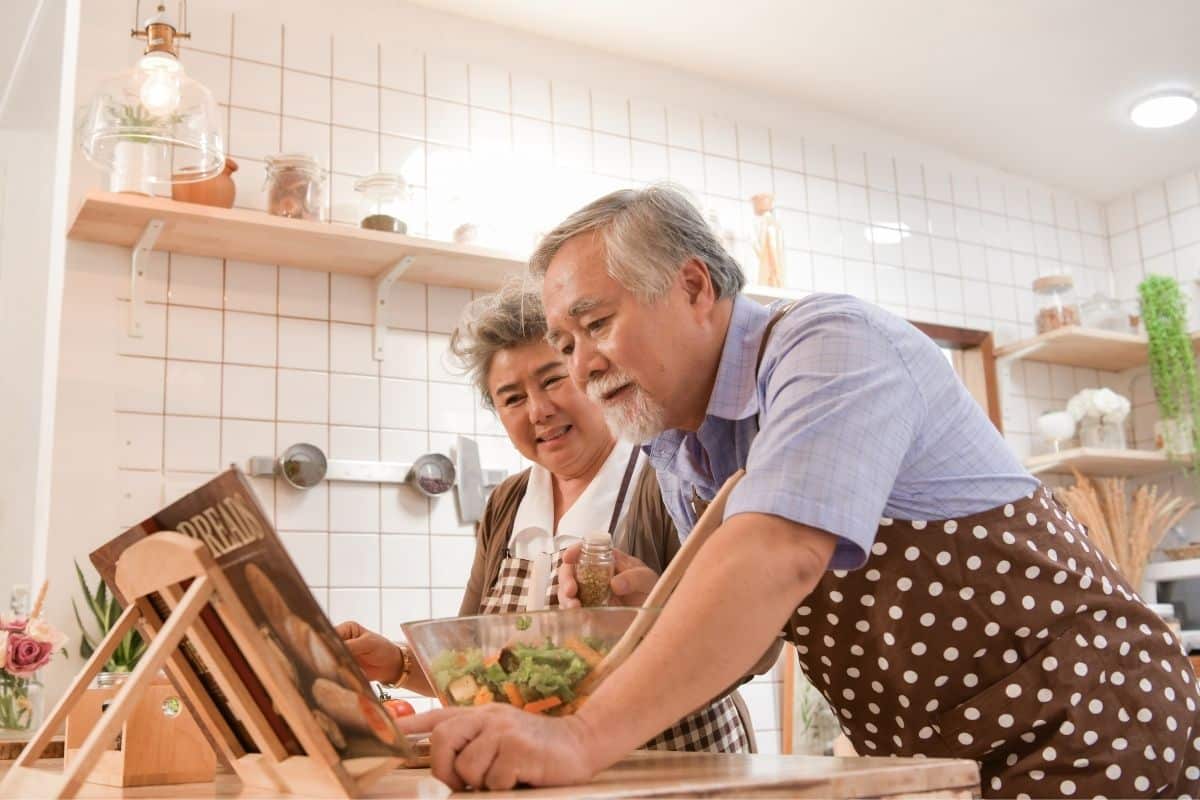

Spring is here, bringing longer days, warmer weather, and new opportunities to build healthy routines. For people living with diabetes or prediabetes, daily habits such as what we eat, how often we move, and how we manage stress play an important role in overall health. Gardening is a simple, enjoyable way to support healthy eating and physical activity, all keys to living well with diabetes or prediabetes. Whether you have a backyard, a container, or a community garden space, gardening can help you eat more fruits and vegetables, increase your activity, and spend more time outdoors. This blog will help you get started building healthy habits to manage diabetes or prediabetes.
Gardening for Healthy Eating
Healthy eating is an important part of managing diabetes. Having fresh vegetables from your own garden can support healthy eating, help manage blood sugar, and make it easier to meet the recommendation of three servings of vegetables each day. The American Diabetes Association (ADA) provides guidance for building a healthy meal in its fact sheet ‘Nutrition for Life: Diabetes Plate Method.’ This method focuses on filling half of your plate with non-starchy vegetables, such as lettuce, carrots, and onions, which are lower in carbohydrates. When fresh produce is less abundant, frozen or canned produce is still a good option. In their article ‘Non-starchy Vegetables for Blood Glucose Control,” the ADA recommends selecting fresh, frozen, or canned vegetables without added ingredients, such as salt, fat, and added sugar, as the best choice. When using canned vegetables, you can reduce the sodium by draining and rinsing before adding them to recipes or your plate.
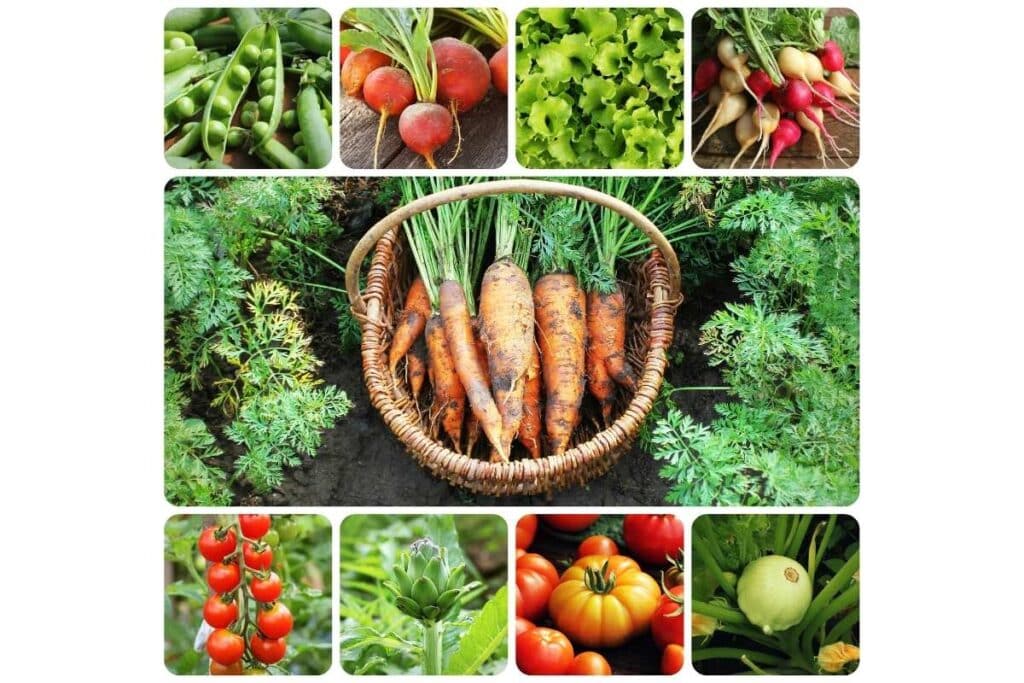
Filling half of your plate might seem like a lot when it comes to vegetables, but there are plenty of ways to make that happen, and growing your own is a great start. Some non-starchy vegetables that grow well in Pennsylvania include green beans, lettuce, carrots, spinach, tomatoes, bell peppers, cucumbers, onions, and snap peas. The Farmer’s Almanac provides guidance on when to plant different vegetables based on your area. There is information available online at https://www.almanac.com/gardening/planting-calendar. By visiting this site and entering your zip code, you can discover your favorite vegetables and create a personalized plan for when to plant them for optimal results. From lettuce varieties, which are planted early in the spring, to the numerous types of squash that grow throughout the summer and well into fall, there are plenty of non-starchy options that grow well in your area to choose from.
Don’t Forget Herbs!
Many herbs, such as parsley, basil, chives, and dill, grow well in Pennsylvania. In their fact sheet “Add a Little Spice (and Herbs) to Your Life”, the University of Nebraska Extension explains how using herbs and spices in recipes can help reduce the amount of added salt, fat, or sugar. Using herbs and spices is a great way to enhance the flavor of your food without adding these ingredients. Growing herbs yourself can also be fun and easy, ensure freshness, and be more affordable.
Gardening Without a Backyard
If you don’t have a backyard area to garden, you can grow some vegetables and herbs in containers on a balcony, patio, or even a sunny kitchen windowsill. In their article ‘Container Vegetable Gardening: Four Keys to Success,’ Penn State Extension explains how to choose the right plants for your available growing space. Different plants will require different-sized pots, so be sure to choose a pot that is large enough to accommodate them. Using a potting mix with 50% compost and ensuring the pot drains well will help plants thrive. Don’t have space at home for pots? Consider using a plot in a community garden. Community gardens are often located in local parks, so in addition to the benefits of fresh produce, there is an added opportunity to walk around the park.
Gardening for Overall Health
Having a garden means getting outside to tend to your growing plants. The University of California reports on the health benefits of gardening in its ‘Gardening Improves Well-Being’ article. It highlights that research shows gardening can reduce depression and anxiety, lower body mass index (BMI), and increase physical activity and overall quality of life.
When it comes to physical activity, the ADA encourages walking as one of the easiest ways to get started. Including a walk a few times a week can help achieve the recommended 150 minutes of moderate physical activity each week. In their article, “The Benefits of Walking,” the ADA explains that most people with diabetes complications can still engage in this type of physical activity. The benefits of walking are numerous and include lowering blood pressure, reducing A1C levels, achieving weight loss, and even improving one’s mood. If you’re fortunate enough to have friends using the same community garden plots, consider planning to meet up to share, not just a walk, but also your produce bounty!
Regardless of how you choose to garden this year, you will benefit from time spent outdoors tending to your plants and from adding more physical activity to your daily routine. Taking time to enjoy the season and the warmth it brings can support both your mood and overall health. When you garden, you are not just growing healthy foods, you are also growing healthy habits.
References:
https://diabetes.org/food-nutrition/reading-food-labels/non-starchy-vegetables
https://professional.diabetes.org/sites/dpro/files/2023-12/plan_your_plate.pdf
https://www.almanac.com/gardening/planting-calendar
https://extension.psu.edu/container-vegetable-gardening-four-keys-to-success
https://diabetes.org/health-wellness/fitness/benefits-walking
https://ucanr.edu/blog/backyard-gardener/article/gardening-improves-well-being