
As we enter a new year, we are met with a new chapter, new excitement and new challenges. We are optimistic that the year will bring us success, happiness and good health. I share this article with you to encourage adding ocular health to your 2026 goals. Vision is an essential part of our health, work, personal lives, social functioning and overall happiness. There are many ocular diseases that can threaten our normal vision and Glaucoma is one of those.
January is National Glaucoma Awareness Month which is an initiative of the National Eye Institute and other health organizations to raise awareness of glaucoma. Unlike many ocular diseases, glaucoma is commonly an asymptomatic condition. This disease affects the patient’s peripheral or side vision which makes it difficult to notice. Estimates suggest that half of people with glaucoma do not know they have it.1 If undetected or untreated, glaucoma can result in permanent, irreversible vison loss.
Glaucoma can affect any patient but there are certain risk factors that make some more likely to be affected than others. Some of those risk factors include: a family history of glaucoma, age greater than 60, African American race, Hispanic race, Asian American race, elevated eye pressure, thinner corneal anatomy and ocular trauma.2 There are different types of glaucoma but the most common is titled, Primary Open Angle Glaucoma, when the pressure inside the eye becomes elevated secondary to failing drainage canals in the front of the eye. This elevated pressure causes damage to the optic nerve in the back of the eye.
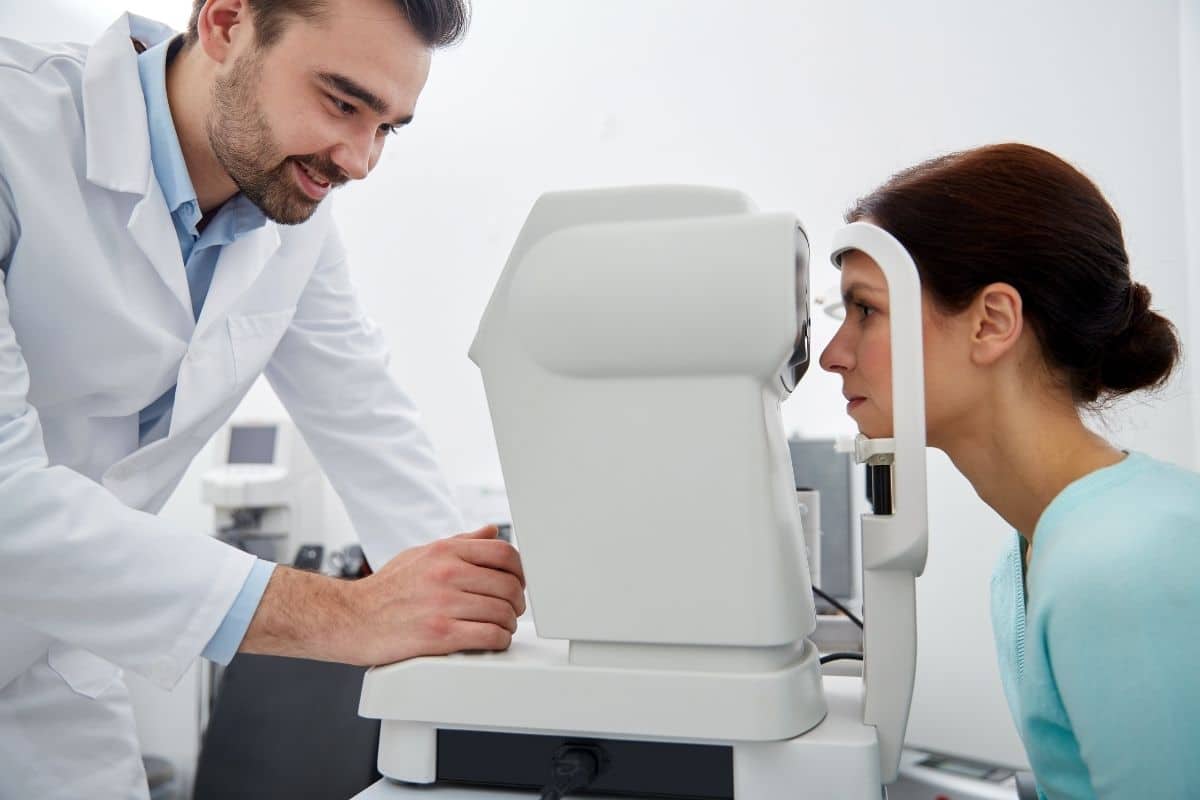
The optic nerve is responsible for sending the visual image to our brain and must remain healthy to support normal vision. When glaucoma optic nerve damage develops, patients may start to lose their peripheral vision. If left untreated, this can progress to central vision loss as well. This irreversible vision loss, despite being uncurable, is treatable to prevent further damage. The mainstay glaucoma treatment goal is to reduce eye pressure. Common treatment options include eye drops, laser treatments and surgeries. Eye care professionals are able to identify optic nerve damage during a comprehensive dilated eye examination and can recommend necessary treatment to preserve the health of the optic nerve.
It is important to understand that not all patient’s with elevated eye pressure develop glaucoma. There are several types of secondary glaucoma, one of which develops within the setting of normal eye pressure. The dilated view of the optic nerve is the best way to detect the need for any glaucoma treatment. Doctors will follow glaucoma patients with eye pressure checks, dilated examinations, optic nerve imaging and visual field tests which will measure the degree of vision loss. Not all cases of glaucoma behave the same so each patient’s treatment will vary.
Many glaucoma patients will remain free of visual impairment with early detection and successful treatment. Delayed detection, poor response to treatment and/or poor compliance to treatment all increase the likelihood of permanent vision loss. Those unfortunate patients with severe vision loss from glaucoma are often referred to low vision professionals who provide assistive devices for their mobility and safety. Eye care professionals and therapists work together to promote the visual welfare of their patients.
As a member of The Pennsylvania Optometric Association, I encourage all Pennsylvanians to make their ocular health a priority. I recommend all adults, especially those over the age of 60, to schedule their annual comprehensive eye examination. Your eye care professional is trained to identify your individual risk factors, measure your eye pressure and evaluate your optic nerve. When the diagnosis is made and treatment is recommended, follow-up care is essential. Your doctor can guide your treatment plan and identify the need for additional treatment if warranted. Together as a community; let’s make 2026 the year we reduce the risk of vision loss from glaucoma.
—
References
1. NIH National Eye Institute. Glaucoma Awareness Month.
https://www.nei.nih.gov/about/education-and-outreach/glaucoma-resources/glaucoma-awareness-month
2. Glaucoma Research Foundation. Glaucoma Risks.